Unveiling the Dynamics of Steel Rates in Pakistan
New York
Unveiling the Dynamics of Steel Rates in Pakistan
New York
Description
Unveiling the Dynamics of Steel Rates in Pakistan
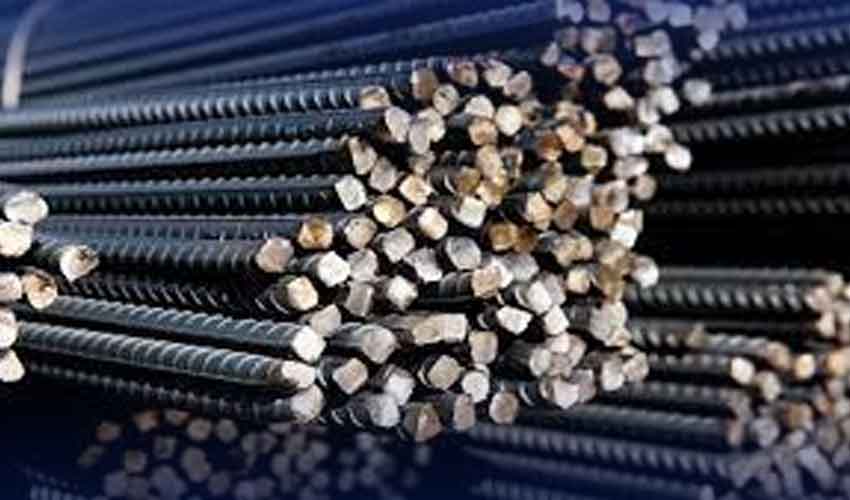
Steel, a key construction element, plays a crucial role in developing the infrastructure and economics of every country. The steel industry in Pakistan has undergone substantial expansion and transition over the years, influenced by various factors such as global market trends, local demand, and government policy. Understanding the fluctuations in steel rates in Pakistan is critical for firms, investors, and governments. In this essay, we will look into the variables driving steel rates in Pakistan, the present trends, and what the future holds for this essential industry.
Factors Influencing Steel Rates in Pakistan
1. Global Market Trends: Pakistan's steel industry is not isolated from the global market. Changes in worldwide steel prices, caused by variables such as supply and demand dynamics, geopolitical events, and currency changes, directly affect steel rates in Pakistan.
2. Domestic Demand: The demand for steel inside Pakistan is a fundamental determinant of steel pricing. Infrastructure development, building projects, and industrial expansion all contribute to the need for steel. Domestic demand fluctuations may cause steel prices to fluctuate.
3. Raw Material Prices: The cost of raw materials such as iron ore, coal, and scrap metal greatly affects steel manufacturing prices. Any variations in raw material costs might directly affect steel pricing in Pakistan.
4. Government Policies: Taxes, import levies, and industry restrictions all have an impact on steel rates. Changes in policies may have a direct influence on the cost of steel production, which in turn impacts steel rates.
5. Currency Exchange Rates: Since Pakistan is a net importer of steel, variations in currency exchange rates may affect the cost of imported steel, hence impacting steel costs in the local market.
Current Trends in Steel Rates in Pakistan
In recent years, Pakistan's steel sector has undergone both highs and lows. The sector has undergone phases of expansion fueled by increased infrastructure development and building projects. However, difficulties such as changing global steel prices, growing manufacturing costs and economic concerns have also caused hurdles for the business.
The future outlook for steel rates in Pakistan
The future of steel pricing in Pakistan is intimately connected to numerous variables. Continued infrastructure development, government attempts to foster industrial growth, and stability in global steel pricing may contribute to stable expansion in the steel sector. However, obstacles such as inflation, currency depreciation, and political instability might pose dangers to the industry's expansion.
Conclusion
The steel industry in Pakistan is a major sector that contributes considerably to the country's economy and infrastructural development. Understanding the variables that drive steel pricing is critical for stakeholders to make informed decisions. While the sector confronts obstacles, there is also potential for growth and development. By monitoring global market trends, local demand, and government policy, stakeholders may successfully manage the dynamics of steel pricing in Pakistan.
ut your listing
Photo Gallery